✨ New Arrivals Just Dropped!Explore
Woodland Cemetery
Woodland Cemetery, the second-oldest cemetery in Cleveland, was named after a romantic description of an unseen Cleveland that was part of a popular 1803 pastoral poem, The Pleasures of Hope, by Scottish poet Thomas Campbell. Its 60 acres provide a primer on American cemetery design, from the rural cemetery intricacies of the 1850s to the more rambling style of the late 19th century to the rectangular 20th-century grid. Its mausoleums are designed in Classical, Victorian, Egyptian, and Richardson rustic styles. These varied structures—along with angels, obelisks, and military memorials—are symbolic of the residents resting within the gates.
Product Information
Product Information
Shipping & Returns
Shipping & Returns
Woodland Cemetery
Woodland Cemetery
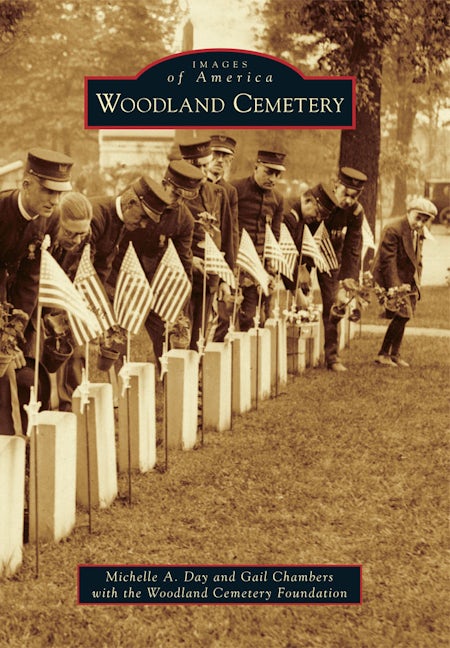
Woodland Cemetery, the second-oldest cemetery in Cleveland, was named after a romantic description of an unseen Cleveland that was part of a popular 1803 pastoral poem, The Pleasures of Hope, by Scottish poet Thomas Campbell. Its 60 acres provide a primer on American cemetery design, from the rural cemetery intricacies of the 1850s to the more rambling style of the late 19th century to the rectangular 20th-century grid. Its mausoleums are designed in Classical, Victorian, Egyptian, and Richardson rustic styles. These varied structures—along with angels, obelisks, and military memorials—are symbolic of the residents resting within the gates.
$8.75
Original: $24.99
-65%Woodland Cemetery—
$24.99
$8.75Product Information
Product Information
Shipping & Returns
Shipping & Returns
Description
Woodland Cemetery, the second-oldest cemetery in Cleveland, was named after a romantic description of an unseen Cleveland that was part of a popular 1803 pastoral poem, The Pleasures of Hope, by Scottish poet Thomas Campbell. Its 60 acres provide a primer on American cemetery design, from the rural cemetery intricacies of the 1850s to the more rambling style of the late 19th century to the rectangular 20th-century grid. Its mausoleums are designed in Classical, Victorian, Egyptian, and Richardson rustic styles. These varied structures—along with angels, obelisks, and military memorials—are symbolic of the residents resting within the gates.