✨ New Arrivals Just Dropped!Explore
The Patriot Parson of Lexington, Massachusetts
On the night of April 18, 1775, Paul Revere arrived at the parsonage of Reverend Jonas Clarke to deliver a warning to its occupants, including Samuel Adams and John Hancock. The following morning brought the first shots of the American Revolution to a community Clarke inspired to face such a harsh reality. He called on his parish to oppose imperial legislation for years leading up to the war. And as Lexington's minister for half a century, he was central to political, civic and social life there until his death in 1805. Historian Richard P. Kollen reveals the often overlooked story of the man who helped shape the spirit of the American Revolution.
Product Information
Product Information
Shipping & Returns
Shipping & Returns
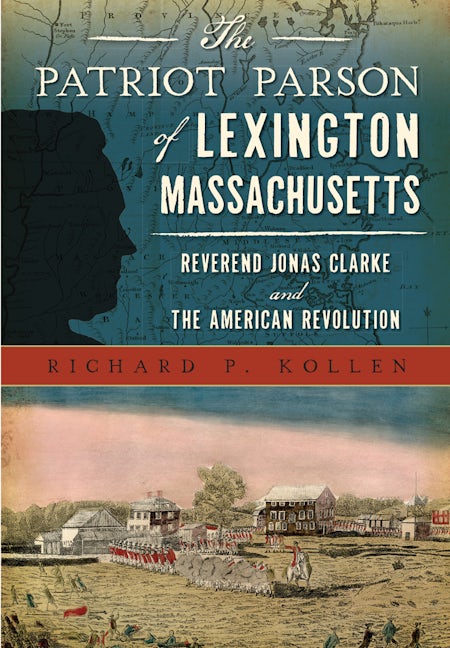
The Patriot Parson of Lexington, Massachusetts
The Patriot Parson of Lexington, Massachusetts
On the night of April 18, 1775, Paul Revere arrived at the parsonage of Reverend Jonas Clarke to deliver a warning to its occupants, including Samuel Adams and John Hancock. The following morning brought the first shots of the American Revolution to a community Clarke inspired to face such a harsh reality. He called on his parish to oppose imperial legislation for years leading up to the war. And as Lexington's minister for half a century, he was central to political, civic and social life there until his death in 1805. Historian Richard P. Kollen reveals the often overlooked story of the man who helped shape the spirit of the American Revolution.
$8.75
Original: $24.99
-65%The Patriot Parson of Lexington, Massachusetts—
$24.99
$8.75Product Information
Product Information
Shipping & Returns
Shipping & Returns
Description
On the night of April 18, 1775, Paul Revere arrived at the parsonage of Reverend Jonas Clarke to deliver a warning to its occupants, including Samuel Adams and John Hancock. The following morning brought the first shots of the American Revolution to a community Clarke inspired to face such a harsh reality. He called on his parish to oppose imperial legislation for years leading up to the war. And as Lexington's minister for half a century, he was central to political, civic and social life there until his death in 1805. Historian Richard P. Kollen reveals the often overlooked story of the man who helped shape the spirit of the American Revolution.