✨ New Arrivals Just Dropped!Explore
Jacksonville in Vintage Postcards
The Great Fire of May 3, 1901 marked at once the end and the beginning of the City of Jacksonville. A thriving port and a center for business and tourism until that point, Jacksonville was devastated by the conflagration, and yet, even before the ashes had cooled, a building boom began. Prominent and aspiring architects flocked to the area and the opportunities it afforded them to create a twentieth century city. Jacksonville's ensuing era of reconstruction and growth, which would continue until the United States entered World War I in 1917, helped to define the city's present personality and appearance.
Product Information
Product Information
Shipping & Returns
Shipping & Returns
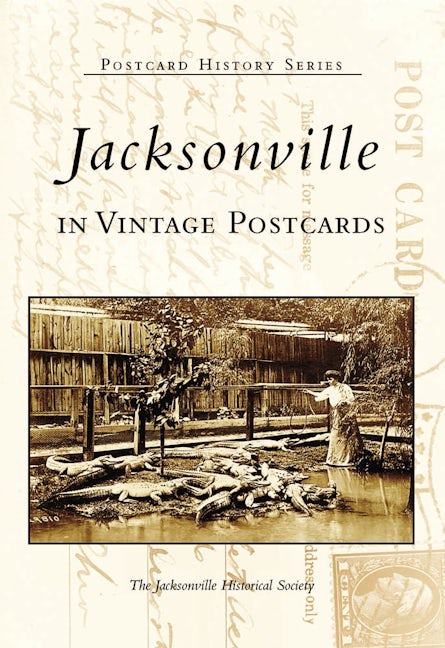
Jacksonville in Vintage Postcards
Jacksonville in Vintage Postcards
The Great Fire of May 3, 1901 marked at once the end and the beginning of the City of Jacksonville. A thriving port and a center for business and tourism until that point, Jacksonville was devastated by the conflagration, and yet, even before the ashes had cooled, a building boom began. Prominent and aspiring architects flocked to the area and the opportunities it afforded them to create a twentieth century city. Jacksonville's ensuing era of reconstruction and growth, which would continue until the United States entered World War I in 1917, helped to define the city's present personality and appearance.
$24.99
Jacksonville in Vintage Postcards—
$24.99
Product Information
Product Information
Shipping & Returns
Shipping & Returns
Description
The Great Fire of May 3, 1901 marked at once the end and the beginning of the City of Jacksonville. A thriving port and a center for business and tourism until that point, Jacksonville was devastated by the conflagration, and yet, even before the ashes had cooled, a building boom began. Prominent and aspiring architects flocked to the area and the opportunities it afforded them to create a twentieth century city. Jacksonville's ensuing era of reconstruction and growth, which would continue until the United States entered World War I in 1917, helped to define the city's present personality and appearance.